Rated 4.9Bàcari
2.5 hVenice: Cicchetti Street Food and Sightseeing Walking Tour
★ 4.9 · 164 reviews
- 2.5 hours
- Guided tour
- Mobile voucher accepted
- Free cancellation
$50$20.00 / hour
Check availability→ Cicchetti
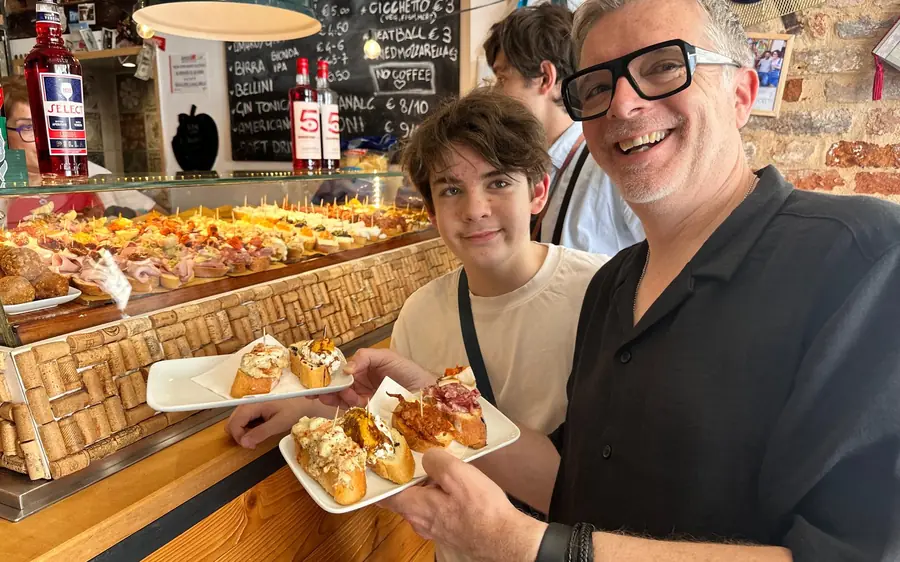
A bàcaro is a small wine bar with a counter of little plates on it and nowhere to sit. It is where Venetians eat before dinner, or instead of it, and it is the single best thing about eating in this city. This page is what cicchetti are, how to order without hesitating, and which tours walk you into the right ones.
Quick answer
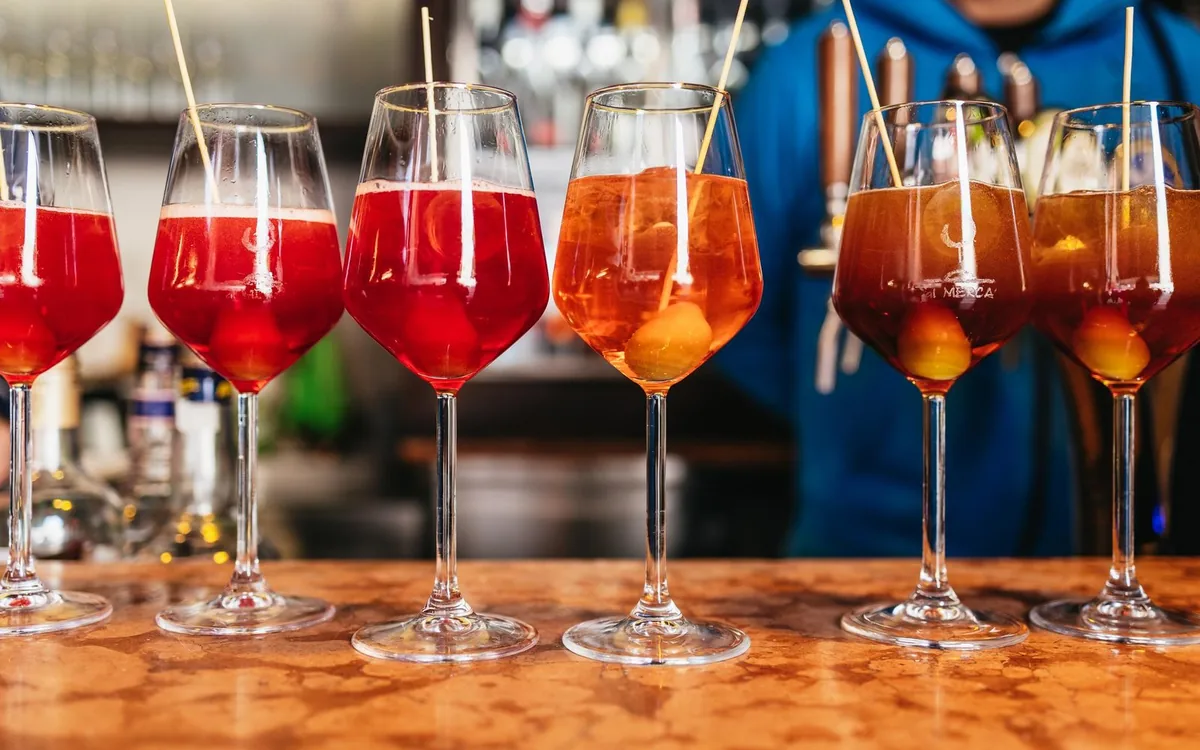
Cicchetti are single-mouthful plates eaten standing at a bàcaro counter with a small glass of wine — an ombra — beside them. They cost a couple of euros each. A guided cicchetti tour runs $50 to $94, visits three to six bars in two and a half to three hours, and rates 4.9 across this page. The value is not the food, which is cheap: it is knowing which counters are worth the walk.
What to order
Start with the salt cod. Move to the sardines. Order by pointing.
Baccalà mantecato. Salt cod whipped with oil into something pale and light, on a slice of grilled white polenta. The most Venetian thing on the counter and the one to try first.
Sarde in saor. Fried sardines in a cold marinade of onions, vinegar, pine nuts and raisins. It is six hundred years old, it was invented to keep fish edible at sea, and it is much better than that description makes it sound.
Polpette. Fried meatballs, sometimes tuna, sometimes vegetable. The reliable snack.
Folpetti. Small whole octopus, boiled, dressed with oil and lemon. Braver, and excellent.
Nervetti, mozzarella in carrozza, half an egg with an anchovy — the counter varies by bar and by day, which is the point of it.
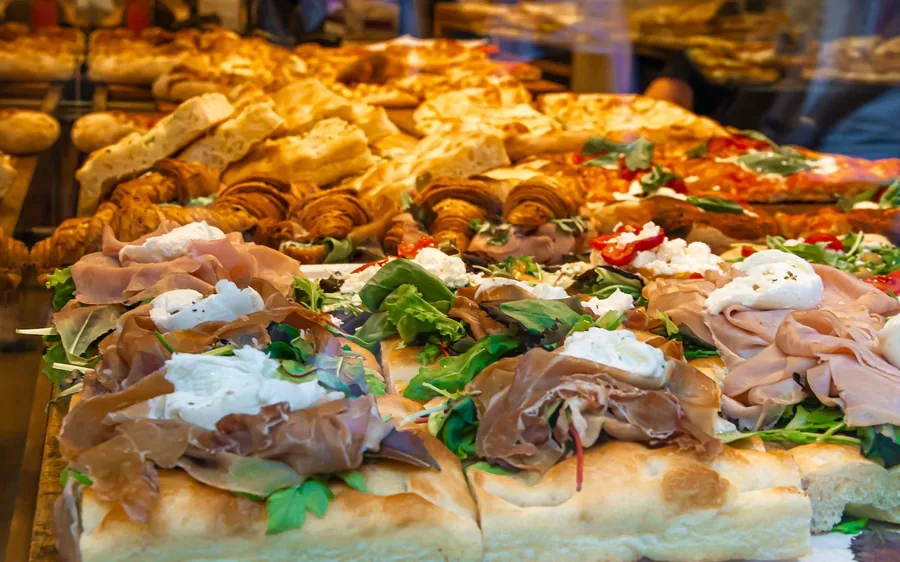
Tramezzini. Soft white triangular sandwiches with the filling piled high on one side. Not glamorous, thoroughly Venetian, and the thing locals actually eat at eleven in the morning.
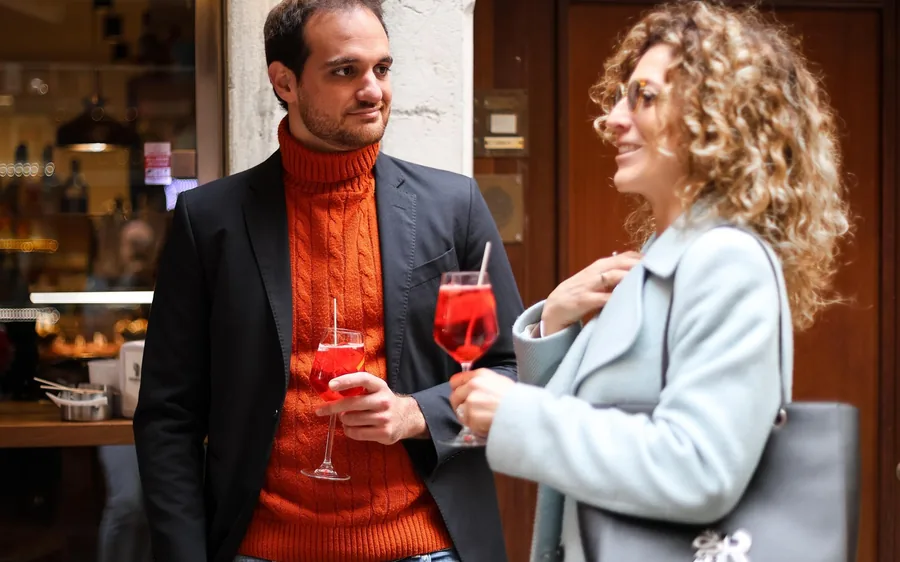
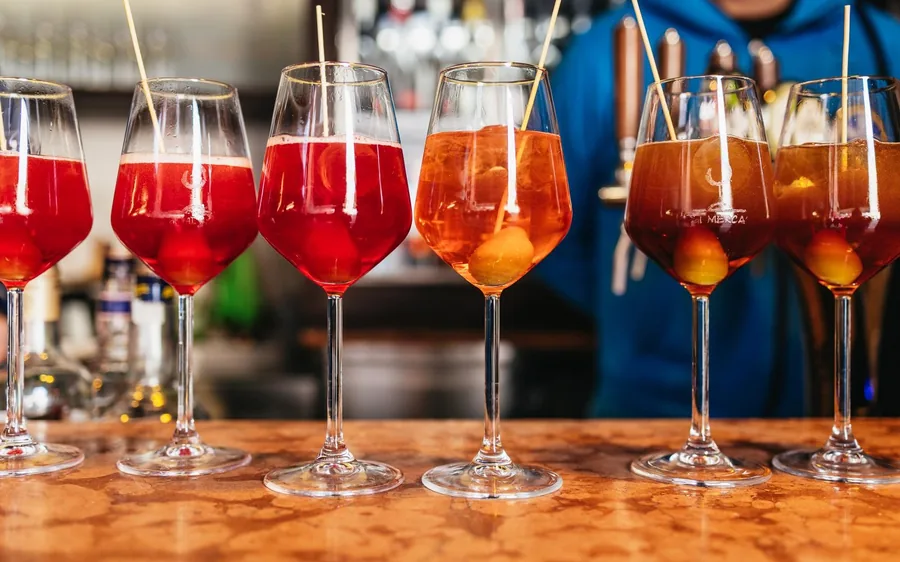
And to drink: an ombra of whatever is open, or a spritz. In Venice a spritz is usually made with Select or Aperol, and ordering one with Campari marks you out as being from Milan, which people will mention.
How a bàcaro works
None of it is complicated, and all of it is unfamiliar the first time.
There are rarely chairs, and if there are, sitting usually changes the price. Standing at the counter or out in the lane with your glass is correct, not a compromise.
There is no menu. The plates are on the counter under glass and you point at what you want. Nobody expects you to know the names, and pointing is what Venetians do too.
An ombra at a time. Running a tab is normal in some bars and paying each round in others; the bar will make it clear.
The bàcari fill between six and eight. By ten many are closing, because this is a city that gets up early and the crowd is largely local.
Card is widely taken but a two-euro cicchetto paid by card is awkward in a small bar, and a few of the older places still prefer notes.
You have two or three things and a glass, and then you walk to the next one. A bàcaro crawl is a route, not a restaurant, which is exactly what the tours on this page are.
The cicchetti tours on this page rate 4.9 — the highest cluster on the site. What they buy is the route, not the food.
All the food tours→Book direct
The cheapest, the unhurried tasting, the long one with spritz, and the eat-like-a-local walk.
★ 4.9 · 164 reviews
★ 4.9 · 559 reviews
★ 4.9 · 460 reviews
★ 4.8 · 1,095 reviews
Where the good bàcari are
Cannaregio in the evening, San Polo at lunch, Castello for quiet. Not San Marco.
Cannaregio. The long straight lanes north of the Grand Canal, and the densest concentration of good bàcari in the city. This is where most of the better tours spend their evening, and where you would go back on your own the next night.
San Polo, around the Rialto market. The oldest bars in Venice are here, some of them open in the morning for the market traders. Earlier in the day than Cannaregio, and the fish on the counter is a few metres from where it was sold.
Castello, east of the palace. Quieter, more residential, and the least touristed of the three. Fewer bars but the ones there are feel like neighbourhood places, because they are.
And the one to avoid: the lanes immediately off Piazza San Marco. The rent there is the highest in Italy and the food reflects it. If a place has photographs of the dishes outside and a man at the door inviting you in, it is not a bàcaro, whatever the sign says.
Which cicchetti tour
Three versions of the same evening, ranked for a first time.
$50
Two and a half hours, three to four bàcari, rated 4.9. Enough to learn how the room works and to find two places you would go back to alone.
$94
Three hours and 559 reviews at 4.9. The wine is chosen to go with what is on the plate rather than poured because the bottle is open.
$82
Three hours, a longer list of tastings, 460 reviews at 4.9. You will not need dinner, and you should not plan one.
Common questions
Single-mouthful plates served at the counter of a Venetian wine bar — salt cod on polenta, sardines in saor, meatballs, small octopus, half an egg with an anchovy. They cost a couple of euros each and you eat them standing up.
A small Venetian wine bar with a counter of cicchetti and usually nowhere to sit. The plural is bàcari. They are where the city eats before dinner, or instead of it.
A small glass of wine. The word means a shadow, and the usual explanation is that wine used to be sold from carts that moved round the base of the Campanile to stay in the shade.
From $50 for two and a half hours. The unhurried version with wine chosen to match is $94, and the long one with spritz is $82. All of them rate 4.9.
Absolutely, and you should on your second evening. The reason to take a tour first is that the good bàcari look like nothing from the outside and the bad ones look inviting, which is a hard problem to solve on your own in one evening.
Between six and eight for the evening bars, or late morning around the Rialto market. Many bàcari close by ten, which surprises people expecting Italian dinner hours.
On a guided tour, almost always. Six or eight cicchetti across several bars with wine adds up to a full meal, which is why nobody on these tours books a restaurant afterwards twice.
Go deeper
Nineteen tours compared, and what a food tour in Venice actually walks you into.
VerdictNineteen ranked for one decision, with a straight answer for each kind of visitor.
Doge’s PalaceWhat the ticket covers, the route through it, and the bridge everyone photographs.
The BasilicaThe gold, the horses, the Pala d’Oro — and which of them your ticket opens.
Street foodThe cheapest way to eat well in Venice, and what the guide is actually for.
Food & wineAn ombra, a spritz, and the wines the Veneto actually drinks.
Venice: St. Mark's Basilica & Doge's Palace Tour with Ticket
★ 4.7 · 3,913 reviews · Free cancellation 24 h